Look for opportunities
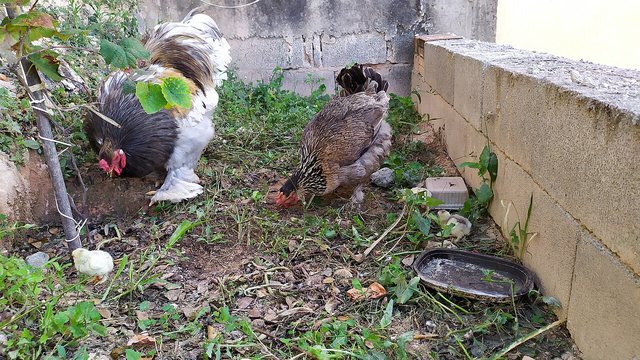
Check beneath feed containers, along walls and beside compost areas. Note droppings, gnawing and spilled feed without handling contaminated material bare-handed. Keep a record of locations so you can see whether changes are working.
Remove easy food
Store feed securely, clean spills promptly and avoid leaving kitchen scraps around the run. Review feeder positioning and waste handling. A tidier feeding station is useful even when you cannot see rodents during daylight.
Improve the structure
Repair gaps and damaged mesh using suitable materials while maintaining ventilation and safe hen access. Avoid sealing a suspected occupied space without expert advice. Check doors and edges as carefully as large visible panels.
Use professional advice
If activity continues, contact a competent pest-control professional and explain that poultry and other animals are present. Do not place poisons or traps where hens can reach them. Ask about risks to wildlife and how treatment will be monitored.
Keep it practical
Your checklist
- Secure feed
- Clean spills
- Repair structural gaps
- Use animal-aware pest control
Sources & further reading
Sources offer further context; a link is not an endorsement of this publication. This guide is general information and does not replace care from a vet familiar with your animal.
See our editorial policy and commercial disclosure. Please tell us about an error.