Describe one complete day
List feeding, toileting, walks, rest, and any vet-directed care in the order the sitter will perform them. Use precise product names and measurements where required. Keep medication directions exactly aligned with the prescribing vet's instructions and label.
Separate essential timing from preferences so the sitter knows what needs special attention. Explain the dog's normal patterns without promising that every day will look identical. Include what changes should prompt contact, such as unusual appetite, elimination, movement, or behaviour.
Demonstrate equipment and access
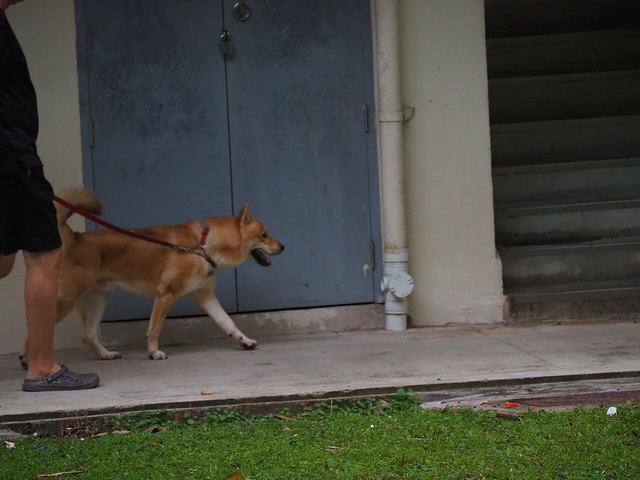
Have the sitter fit the walking equipment, operate gates, and locate supplies while you observe. Show actual attachment points and door routines rather than relying on a photograph alone. Make sure the person can physically manage the dog and the route you expect them to use.
Provide authorized access arrangements and a backup if a key or lock fails. Keep sensitive access details appropriately protected. Identify areas that should remain closed and any other animals in the household. The sitter should not discover a second pet or an alarm requirement on the first solo visit.
Make veterinary contacts actionable
Record the regular vet, after-hours service, and an appropriate emergency hospital, with current contact details and locations. Verify their arrangements before leaving. Explain any clinic authorization or payment process directly with the practice where needed.
Provide relevant records, medication information, and your reachable contact details. Choose a backup decision-maker who has agreed to help if you cannot respond. Ask your vet which signs require immediate care for this particular dog; do not ask the sitter to diagnose or wait for a routine photo update when an emergency is suspected.
Prepare for schedule and weather changes
Write the alternative for a delayed visit, unsuitable weather, or a failed transport plan. Confirm who can take over and whether they have access and equipment knowledge. A backup who is away the same week is not an effective solution.
Give a shorter walk option and appropriate indoor activities, taking the dog's health and behaviour into account. State that the dog must not be left alone in a parked vehicle. Avoid allowing the sitter's errands to become an unplanned travel arrangement with the dog.
Include a plan for your own delayed return. Confirm how additional visits or overnight coverage would be arranged, who holds spare supplies, and whom the sitter should contact first. A flight cancellation should trigger an agreed sequence rather than a search for someone available at short notice.
Test the document and agree on updates
Run through a practice visit before the trip where possible. Ask the sitter to use the written instructions rather than your memory. Fix unclear names, missing supplies, and unrealistic timings while you are present. Confirm the agreed communication method and what a normal update should include.
Leave the final version in one clearly identified place and remove outdated copies. After your return, ask what was difficult and revise it. The result should be a compact, current plan that helps a trusted person deliver consistent care and obtain professional help quickly when needed.
Keep it practical
Your checklist
- Write the full daily routine with exact care instructions.
- Demonstrate walking equipment, gates, and access.
- Verify regular and emergency veterinary arrangements.
- Confirm authorization, payment process, and a backup decision-maker.
- Provide alternatives for weather, delays, and caregiver absence.
- Test the handover and remove outdated instruction copies.
Sources & further reading
Sources offer further context; a link is not an endorsement of this publication. This guide is general information and does not replace care from a vet familiar with your animal.
See our editorial policy and commercial disclosure. Please tell us about an error.