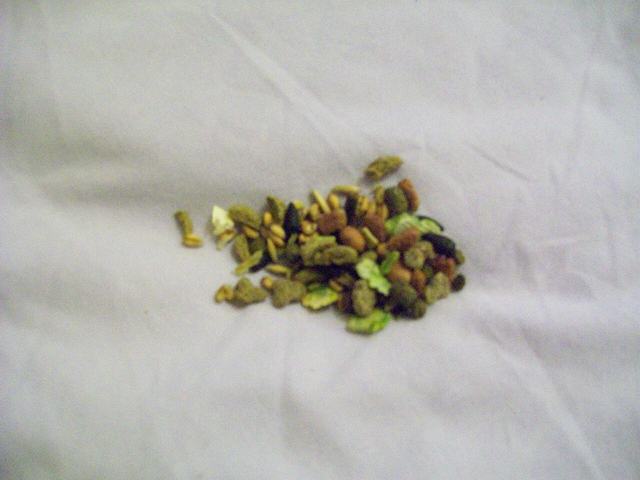
Write down the actual diet
Record the exact staple food name and the normal daily amount agreed with your vet or based on suitable feeding guidance. Keep a photograph of the package and its feeding directions. Identify appropriate extras separately, with their portions and frequency. Avoid a note that simply says 'a little seed and some vegetables,' which leaves every sitter to invent a different meal.
Choose a food intended to provide an appropriate hamster diet, and check the species and life-stage information. Do not treat a packet of favorite seeds or dried treats as a complete plan. If you are changing a diet, seek suitable advice and make the transition deliberately rather than switching abruptly because a bag ran out.
Make portions repeatable
Use a dedicated measuring tool or suitable scale and keep it with the food. Label it so it is not swapped with a different scoop. Prepare the normal amount before dividing any of it among a bowl and foraging locations. This prevents each activity from receiving a full additional portion.
A short log can record the date, food offered, and any unusual leftovers. A hoard is not proof that the hamster has eaten a balanced amount. Observe the animal and follow the established feeding plan rather than repeatedly refilling everything that disappears. If appetite, body condition, or food handling changes, discuss it with a vet instead of restricting food based on a guess.
When more than one person feeds the hamster, use a dated tick box near the supplies. Record the portion served and any planned extra rather than assuming an empty preparation cup means the task is complete. This helps the next caregiver distinguish a finished feeding task from ingredients set out in advance, and reduces accidental repeat servings.
Test drinking equipment every day
Provide fresh drinking water and check that the hamster can reach it from the current bedding level. A full bottle can have a blocked outlet, and a bowl can be buried or tipped. Test the outlet when checking a bottle, inspect its mounting, and look beneath it for leaks. For a bowl, use an appropriate stable position and replace water that becomes contaminated.
Keep a spare clean drinking item available so washing does not interrupt access. Follow the equipment instructions and clean all reachable parts. Do not rely on adding fresh water to a dirty container as the entire routine. When changing equipment, make sure the hamster is using the new arrangement before removing its familiar functioning source.
Keep perishables findable and storage traceable
Offer appropriate fresh foods in a place you can inspect, and remove uneaten perishable material promptly. Note where the hamster carries it if possible. Avoid burying moist food deep inside an inaccessible structure. If you cannot reliably inspect that presentation, choose a simpler one.
Keep dry food in its original labelled packaging inside a suitable storage container. Save the lot and date information until the food is used. Store it in a cool, dry place away from cleaning supplies and damp habitat materials. Clean and dry the outer storage container before introducing a new bag, and use older suitable stock first.
Define the point for veterinary advice
Record a change in eating, drinking, droppings, movement, or appearance with the time you noticed it. Contact a hamster-experienced vet promptly when concerned. Do not try to diagnose a nutritional problem from selective eating alone, force-feed without instruction, or add supplements to drinking water on your own. Clear records help the clinician decide what information and examination are needed.
Keep it practical
Your checklist
- Write the exact staple food and usual amount.
- Measure once before dividing food between activities.
- Check fresh water, access, outlet function, and leaks daily.
- Keep perishable food easy to locate and remove.
- Retain food labels and report concerning changes promptly.
Sources & further reading
Sources offer further context; a link is not an endorsement of this publication. This guide is general information and does not replace care from a vet familiar with your animal.
See our editorial policy and commercial disclosure. Please tell us about an error.